Western Sicily (Trapani, Marsala, Selinunte) is currently one of the most attractive real estate markets in the Mediterranean. But navigating Italian bureaucracy without a local partner can turn the dream into a nightmare. Here is what you need to know.
We receive dozens of emails from clients in London, New York, or Berlin asking the same question: "I found a beautiful ruin online. Should I buy it?"
As architects rooted in Trapani but with an international mindset, our answer is always: "Not before a Technical Due Diligence."
The 3 Steps of Buying in Italy
Unlike other countries, the process here is very formal:
- 1. Proposta d'Acquisto (The Offer): A binding document where you offer a price. Warning: Do not sign this until an architect has checked the urban planning compliance (Sanatorie/Condoni).
- 2. Il Preliminare (The Preliminary Contract): This details the conditions of the sale. You usually pay a deposit (caparra) of 10-20% here.
- 3. Il Rogito (The Deed): The final transfer of ownership signed in front of a Notary (Notaio).
Hidden Costs you must budget for
The price of the house is not the final price. When calculating your ROI (Return on Investment), remember to add:
- Purchase Tax (Imposta di Registro): 2% if you become a resident (Prima Casa), 9% if it's a holiday home.
- Notary Fees: Usually between 1.5% and 3% of the property value.
- Agency Fees: Real estate agents in Italy typically charge 3% + VAT.
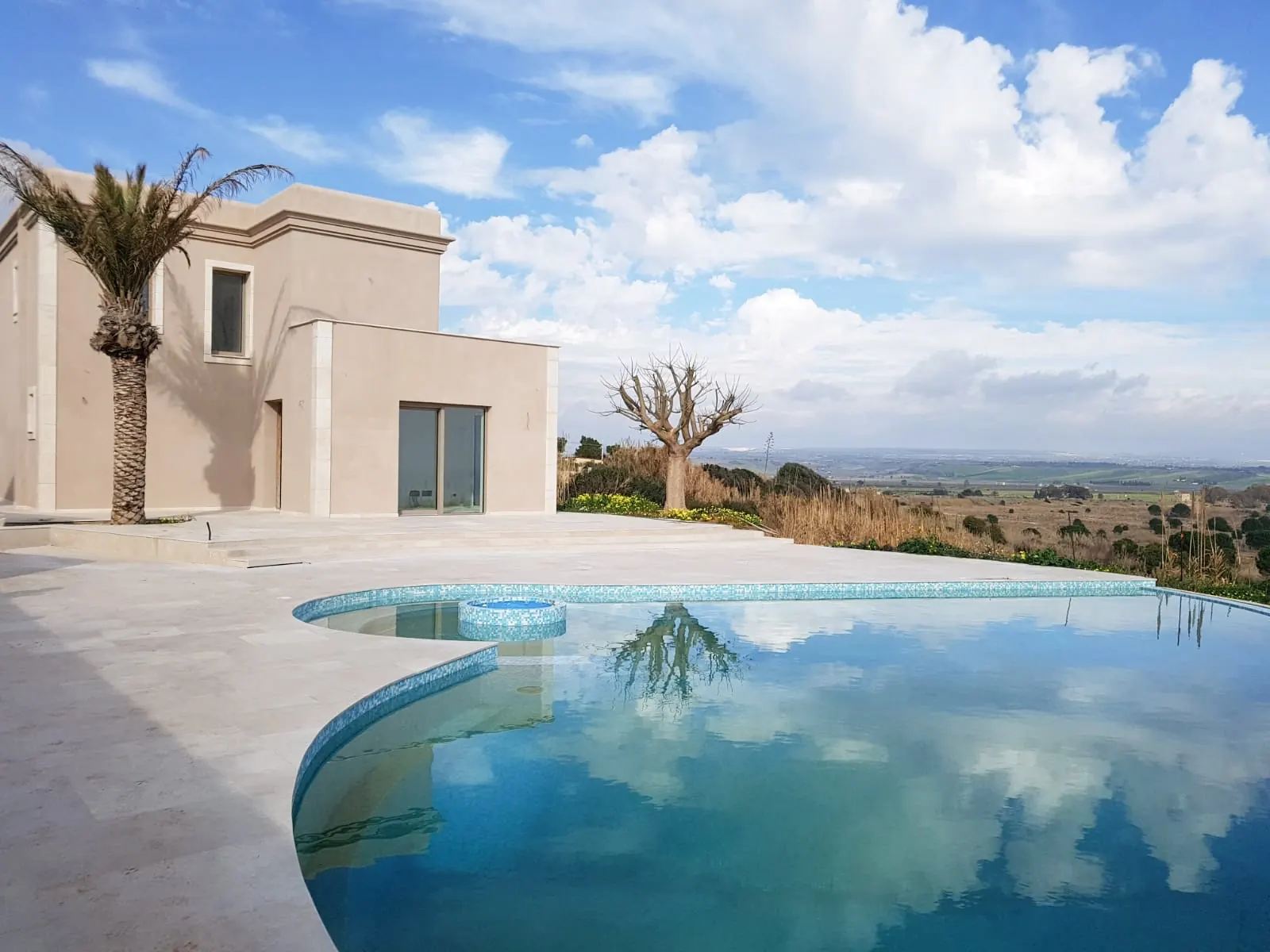
A successfully renovated villa in Selinunte. Value increased by 40% after renovation.
Renovating from Abroad: The "Project Manager" Essential
The biggest fear for international investors is managing a renovation site from 2,000 km away. Stories of delays and budget blowouts are common.
At Studio 4e, we act as your local eyes and ears. We don't just design; we manage:
- We handle the Genio Civile and Soprintendenza permits.
- We select trusted local builders (maestranze) who know how to work with local stone.
- We provide weekly photo/video reports in English.
Why Trapani and not Palermo or Taormina?
Trapani, Marsala, and the Egadi Islands offer a more authentic lifestyle and significantly lower entry prices compared to the crowded East Coast. It is the perfect spot for those seeking privacy, vineyards, and untouched beaches.
If you are also considering other areas of the island, Studio 4e operates across Sicily: explore Architetti Palermo for the capital, Architetti Taormina for the luxury Ionian coast, or browse all regions on Architetti Sicilia.
Frequently Asked Questions
What are the steps to buy property in Sicily as a foreigner?
There are three formal steps: 1. Proposta d'Acquisto (the binding offer — never sign without an architect checking the property's urban compliance); 2. Preliminare (preliminary contract with a 10-20% deposit); 3. Rogito (the notarial deed, final ownership transfer). Foreign buyers of any nationality can purchase property in Italy without restrictions.
What are the hidden costs of buying property in Sicily?
Beyond the purchase price, budget for: Purchase Tax (2% as Prima Casa / primary residence, or 9% as a holiday home); Notary fees of 1.5%-3%; Agency fees typically 3% + VAT. Always include these in your ROI calculation before committing.
Why buy in Trapani instead of Palermo or Taormina?
Western Sicily offers significantly lower entry prices with more authentic landscapes: private beaches, vineyards, and the Egadi Islands at a fraction of the cost of the East Coast. The area also benefits from a growing tourist market and strong international connections via Birgi Airport.
Found a property online?
Before making an offer, let us check the legality and renovation potential.
Book a Pre-Purchase Inspection